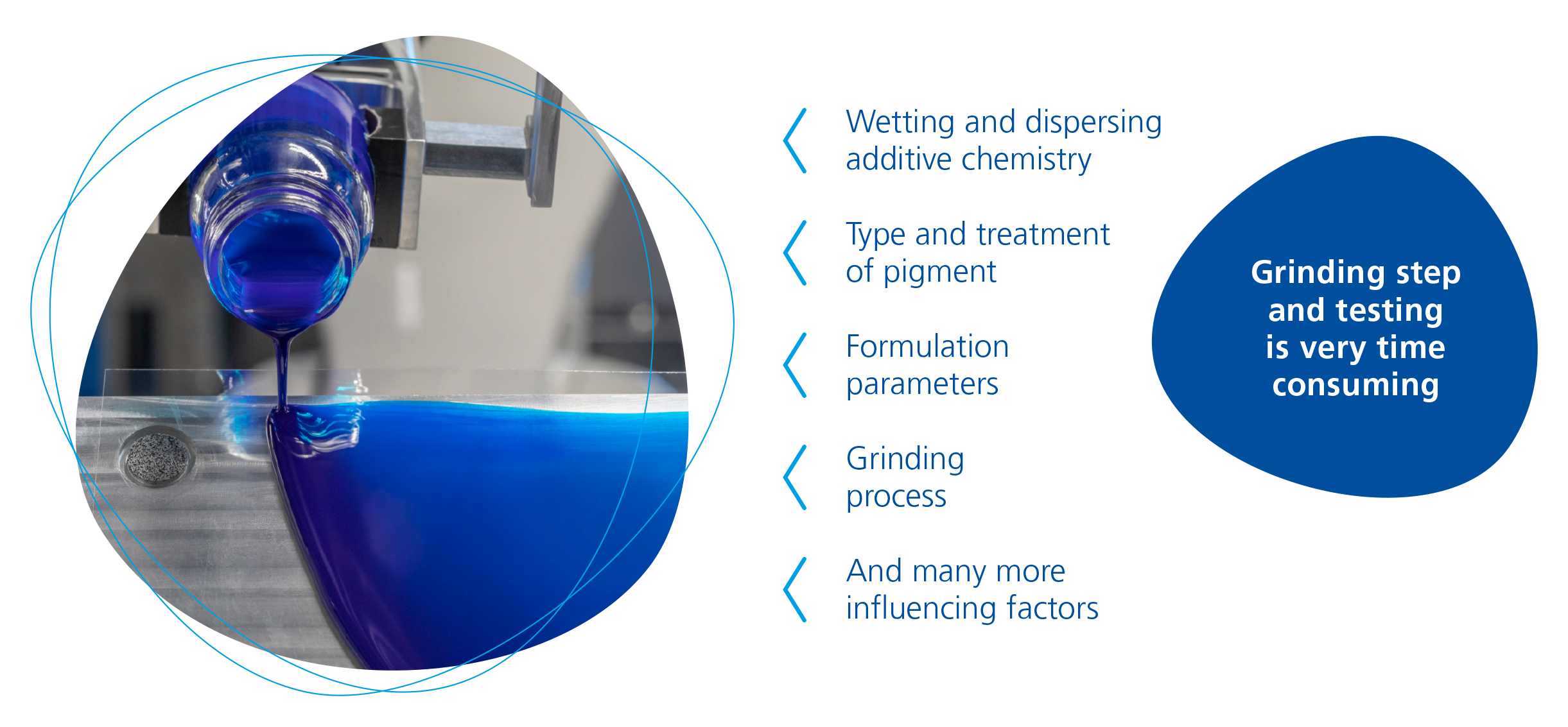
Testing wetting and dispersing additives is challenging due to the large number of interacting variables. Additive chemistry determines wetting and stabilization efficiency, while pigment type, surface treatment, and particle size strongly influence performance.
Formulation parameters such as solvent system, binder type, and the number of ingredients add further complexity. In addition, the grinding process itself plays a critical role, as energy input and process conditions directly affect additive performance.
This complexity makes reproducible, predictive testing difficult and requires precise control of multiple parameters.
High-throughput screening (HTS) addresses this challenge by enabling the parallel evaluation of additive chemistries, pigments, and formulation variables, delivering fast, consistent, and comparable results.
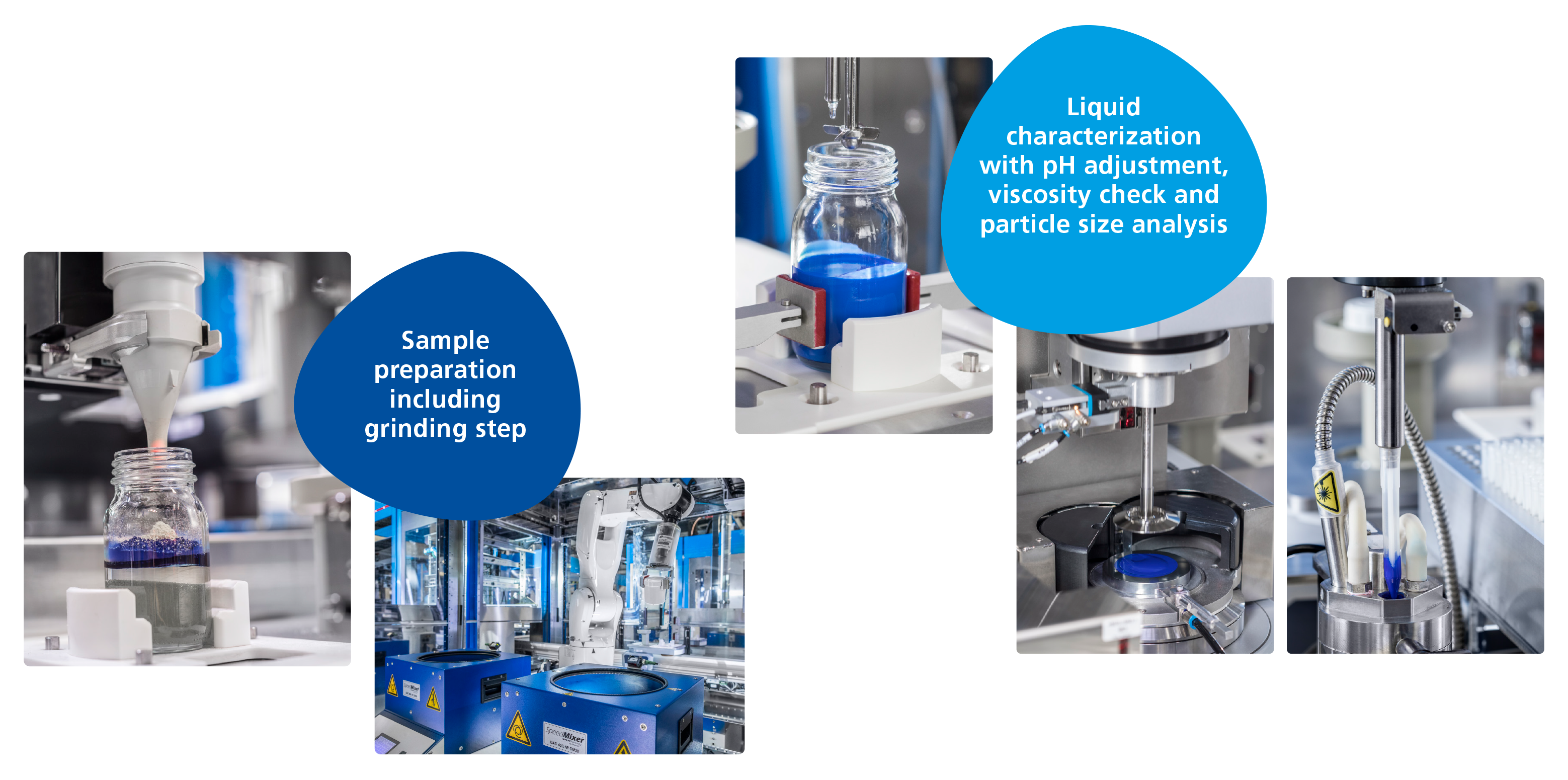
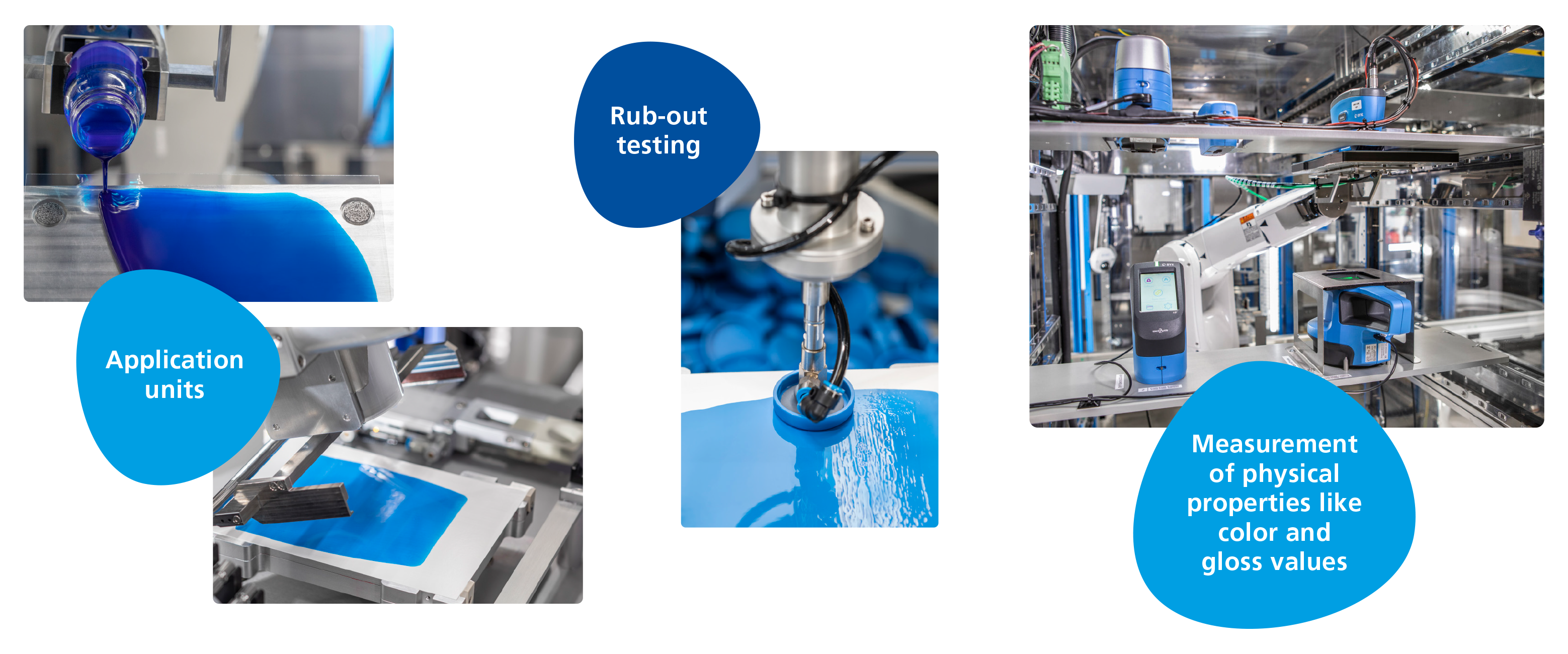
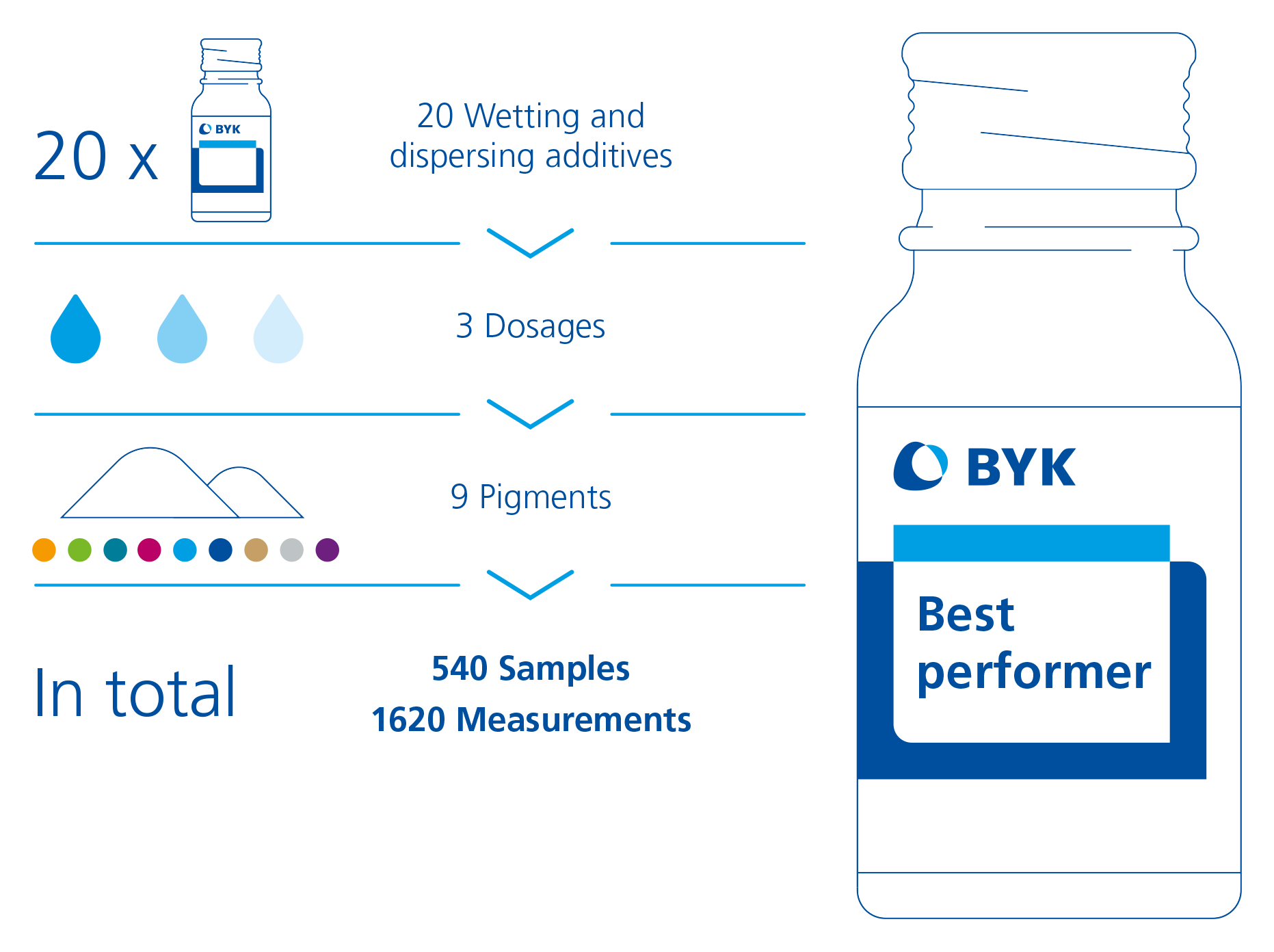
Case study: Screening for the right wetting and dispersing additive for an industrial customer
BYK’s digital high-throughput screening facility delivers reproducible, objective results while significantly reducing lab workload and development times.
Contact our technical experts to learn how HTS can help you overcome your formulation challenges.


If you delete your search history, all your previous searches will be deleted permanently.